
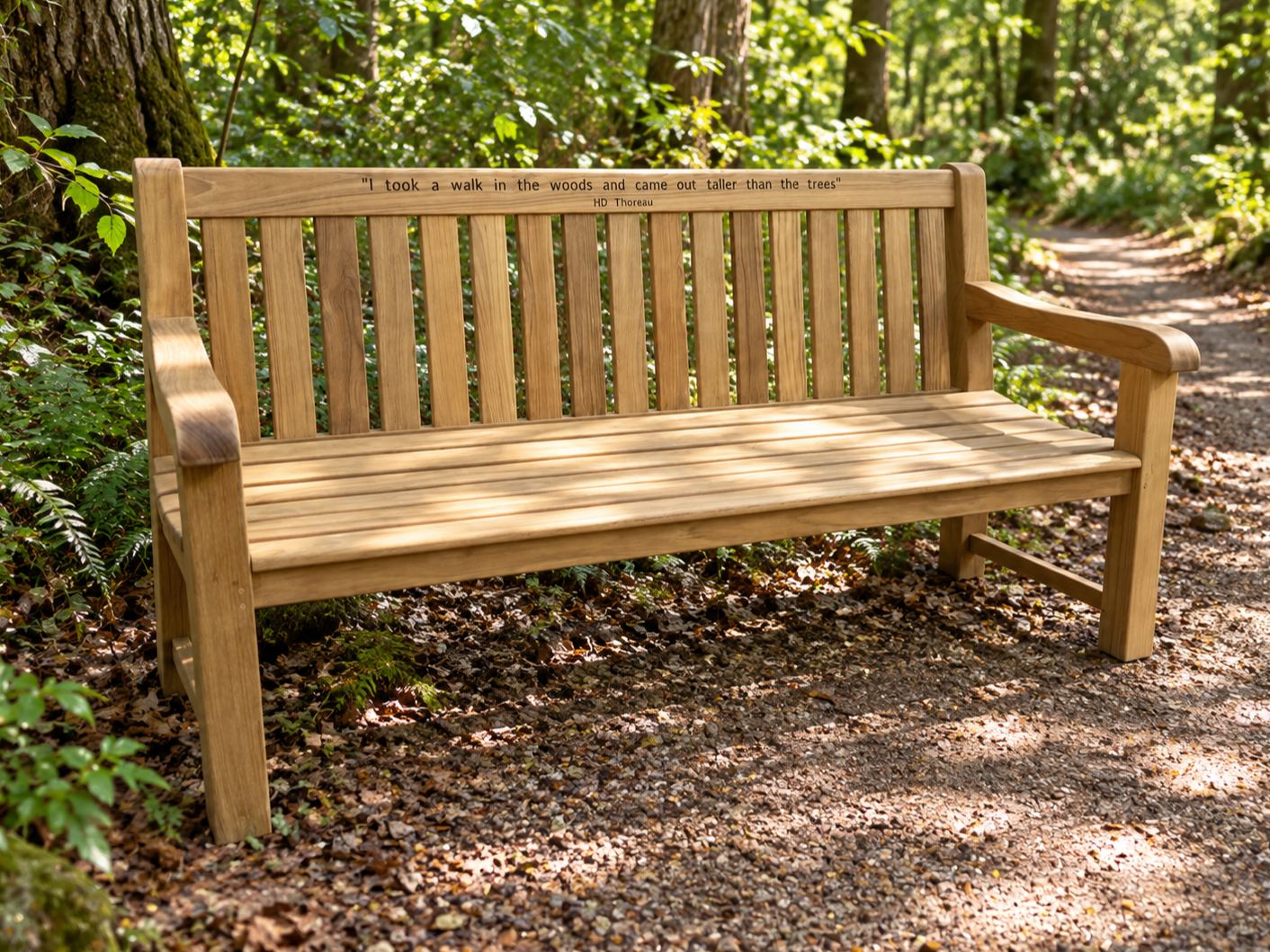
How to Clean Teak Garden Furniture: A Simple Care Guide
Teak is one of the best materials for outdoor furniture. Naturally strong, durable and resistant to the British weather, good-quality teak can last for many years with relatively little maintenance.
That does not mean it never needs cleaning.
Over time, garden furniture can collect dirt, pollen, bird droppings, algae and other outdoor debris. Cleaning teak properly helps keep it looking attractive, but using the wrong products or techniques can damage the surface of the timber.
The good news is that cleaning teak garden furniture is usually straightforward. In this guide, we explain how to clean teak safely, what to avoid and how to keep your furniture looking its best.
What You Need to Clean Teak Garden Furniture
For routine cleaning, you do not need specialist equipment.
You will usually need:
-
Warm water
-
A mild soap or gentle washing-up liquid
-
A bucket
-
A soft-bristled brush
-
A sponge or soft cloth
-
A garden hose
-
Clean towels or cloths
For more heavily weathered furniture, you may also want to use a specialist teak cleaner designed specifically for outdoor timber.
Avoid harsh household chemicals unless the manufacturer specifically states that they are suitable for teak.
How to Clean Teak Garden Furniture Step by Step
1. Remove Loose Dirt
Start by removing cushions and accessories from the furniture.
Brush away leaves, dust, cobwebs and loose debris using a soft brush or dry cloth. Removing surface dirt first prevents it from being rubbed into the timber while you clean.
2. Prepare a Mild Cleaning Solution
Fill a bucket with warm water and add a small amount of mild soap.
You do not need a strong concentration. Teak contains natural oils, so aggressive detergents are normally unnecessary for everyday cleaning.
3. Gently Scrub the Teak
Dip a soft-bristled brush or sponge into the cleaning solution and gently scrub the furniture.
Where possible, work in the direction of the wood grain.
Pay particular attention to areas where dirt tends to collect, including:
-
Around joints
-
Under armrests
-
Between slats
-
Around table edges
-
Underneath furniture
Avoid extremely stiff brushes, wire brushes or abrasive pads, as these can scratch the surface.
4. Rinse Thoroughly
Once you have cleaned the furniture, rinse it with clean water.
A normal garden hose is usually ideal.
Make sure all soap residue has been removed, particularly from joints and textured areas.
5. Allow the Furniture to Dry Naturally
Leave the furniture somewhere well ventilated and allow it to dry naturally.
If possible, clean your furniture on a dry day so that the timber has plenty of time to dry before being covered or used again.
Can You Pressure Wash Teak Garden Furniture?
Pressure washing teak is generally not recommended.
High-pressure water can damage the surface fibres of the timber, leaving the wood rough or uneven. It may also force water into joints and other areas of the furniture.
If a pressure washer is used incorrectly, it can cause permanent surface damage.
Gentle cleaning with a brush, mild soap and water is normally more than enough.
How to Remove Green Algae From Teak Furniture
Furniture that sits outside in damp or shaded areas can occasionally develop green algae.
Start by cleaning the furniture using warm water, mild soap and a soft brush.
If the algae remains, consider using a specialist teak cleaner. Always follow the manufacturer's instructions and test the product on a small, discreet area first.
Keeping the furniture somewhere with good airflow can also help reduce future algae growth.
How to Remove Bird Droppings From Teak
Bird droppings are best removed as quickly as possible.
Allowing them to sit on the furniture for extended periods can make them more difficult to remove.
Soften the affected area with warm water before gently cleaning it using mild soap and a soft brush or cloth.
Avoid aggressively scraping the timber, as this may scratch the surface.
What About Food and Drink Stains?
Outdoor dining tables inevitably encounter the occasional spill.
For fresh stains, blot away excess liquid and clean the area with warm soapy water.
For stubborn marks, a specialist teak cleaning product may be required.
Using placemats, coasters and table accessories can help protect dining tables during regular use.
Should You Sand Teak Garden Furniture?
Light sanding can sometimes help restore weathered teak, but it should not be part of routine cleaning.
If the surface has become rough over time, very fine sandpaper can be used carefully in the direction of the grain.
However, excessive sanding can alter the finish and gradually remove timber from the furniture.
For high-quality teak furniture, start with cleaning before deciding whether sanding is necessary.
Why Does Teak Garden Furniture Turn Grey?
One of the most noticeable changes to outdoor teak is its colour.
Fresh teak typically has a warm, golden appearance. When it is exposed to sunlight and the weather, the surface gradually develops a silver-grey patina.
This is a normal part of the ageing process.
The grey colour does not necessarily mean the timber is damaged or deteriorating. Many people actually prefer the natural silver-grey appearance of aged teak.
Regular cleaning will remove dirt and surface contamination without necessarily restoring the original golden colour.
How Do You Keep Teak Looking Golden?
If you prefer the original golden-brown colour of teak, additional maintenance may be required.
Specialist teak protectors can help preserve its appearance and slow down the natural greying process.
Make sure the furniture is completely clean and dry before applying any treatment.
Always use products specifically intended for teak and follow the manufacturer's instructions.
Should You Oil Teak Garden Furniture?
Teak naturally contains oils that help protect the timber.
For that reason, outdoor teak furniture does not always need to be regularly oiled.
Applying unsuitable oils can sometimes encourage dirt or mildew to build up on the surface.
If you want to maintain a particular colour or finish, use a product designed specifically for outdoor teak rather than automatically applying general-purpose wood oil.
Cleaning Teak Before Winter
Autumn is a good time to give garden furniture a thorough clean.
Removing dirt, food residue and organic matter before winter can help prevent staining and reduce the chance of algae or mildew developing during damp conditions.
After cleaning, allow the furniture to dry completely.
You can then either leave suitable teak furniture outdoors or use a breathable furniture cover for additional protection.
Avoid wrapping damp furniture in completely airtight plastic, as trapped moisture can encourage mould and condensation.
How Often Should You Clean Teak Garden Furniture?
For most gardens, one or two thorough cleans each year will be sufficient.
A useful routine is:
-
Clean the furniture in spring before regular outdoor use.
-
Wipe away spills and bird droppings when they appear.
-
Give the furniture another clean towards the end of the outdoor season.
Furniture positioned beneath trees or in shaded areas may need cleaning more frequently.
What Not to Use on Teak Garden Furniture
The most important part of caring for teak is avoiding overly aggressive cleaning methods.
Try to avoid:
-
Wire brushes
-
Harsh abrasive pads
-
Strong household chemicals
-
Undiluted bleach
-
High-pressure washing
-
Aggressive sanding
-
Unsuitable furniture oils
When trying a new cleaning or treatment product, always test it on an inconspicuous area first.
Is Teak Easy to Maintain?
One of the major advantages of teak garden furniture is that it requires relatively little maintenance compared with many outdoor materials.
Its natural durability makes it particularly suitable for tables, chairs, benches and other furniture that spends much of the year outside.
Routine cleaning is generally more about keeping the furniture looking attractive than protecting the structural integrity of the timber.
Keep Your Teak Furniture Looking Its Best
Good-quality teak garden furniture is designed to be enjoyed for many years.
The simplest cleaning method is often the best: mild soapy water, a soft brush and a little patience.
Avoid aggressive chemicals and high-pressure washing, and remember that the silver-grey colour that develops naturally over time is not usually a sign that anything is wrong with the timber.
With occasional cleaning and sensible care, teak furniture can remain a beautiful and practical feature of your outdoor space for years to come.